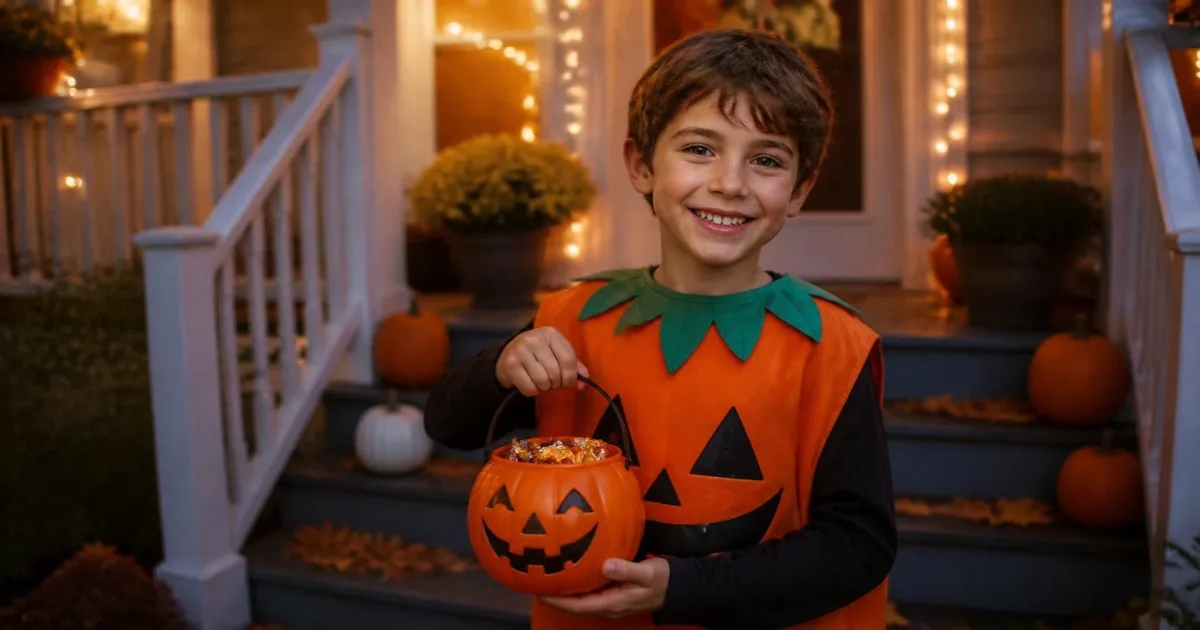
Short answer: a single night of candy does far less harm than a bowl that stays open for two weeks. What matters most is how long sugar sits on your teeth and how many times a day it happens. Sticky, chewy and sour treats are harder on teeth than chocolate, and a few simple habits make the whole week easier on the whole family.
It is the clock, not just the candy count
Every time sugar reaches your teeth, bacteria in plaque turn it into acid, and that acid can soften enamel for a while afterwards. Saliva then works to neutralise it and help the enamel recover. When someone eats a lot of candy in one sitting, that cycle happens once. When candy is nibbled steadily from the bowl, the stash or the car for days, the teeth spend much of the day in the acid phase.
That is why dentists tend to care more about how often and how long than about the total. Our post on sugar and cavities explains the 20 to 30 minute window in more detail.
Which treats are harder on teeth
Not all candy behaves the same. As a rough guide:
- Sticky and chewy (caramels, taffy, gummies, fruit chews). They cling to grooves and between teeth, so the sugar stays put long after you swallow.
- Hard candy and lollipops. They dissolve slowly, so sugar bathes the teeth for many minutes. Biting down on them can also chip or crack a tooth.
- Sour candy. Many are coated in acid, which can soften enamel on its own, on top of the sugar.
- Chocolate. It melts and clears from the mouth faster, so it tends to be easier on teeth than the types above. That is a comparison, not a free pass.
A simple rule for the candy bag: pick a time, not a bowl. A treat eaten once, with or soon after a meal when saliva flow is higher, is easier on teeth than the same candy eaten in small bites all day.
A plan for Halloween night and the week after
- Eat a real meal first. Candy on a full stomach is eaten more slowly and in smaller amounts, and meals boost saliva.
- Let them pick a few favourites, eat them in one sitting, and put the rest away. Out of sight helps.
- Drink water afterwards and swish. It helps wash sugar and acid off the teeth.
- Wait a little before brushing after sour candy. Acid-softened enamel is more easily scuffed. Rinsing with water first, then brushing after a while, is a common recommendation.
- Do not skip tonight’s brushing. Saliva drops overnight, so sugar left on teeth sits longer. Here is why night brushing matters most.
- Sugar-free gum can help after a treat, because chewing stimulates saliva. It is a helper, not a replacement for brushing.
If you or your child wears braces or Invisalign
Sticky and hard candy are the problem for braces, because they can pull on brackets and bend wires, which can mean an extra visit. With clear aligners, take them out before eating candy and brush or rinse before putting them back in. Trapping sugar against the teeth under a tray keeps it in contact with them for hours. Our Invisalign page covers how to look after aligners day to day.
A thought from the East: balance, not fear
Many Eastern traditions teach balance and contentment: enjoying what you have, paying attention to your body, and knowing when you have had enough. That is a good way to think about Halloween, too.
Try not to shame children or frighten them about candy. Fear tends to make a food more exciting, and guilt around eating can follow a child for years. Instead, help them enjoy their treats and notice how they feel. Is that third piece because they are still hungry, or because it is in front of them?
Moderation is a skill, and children learn it from time spent with you. Sit down together, let them choose a few favourites, taste each one slowly, and talk about what “enough” feels like. Then the plan above, a few treats at one sitting, water afterwards and brushing at bedtime, becomes a habit they own, not a rule they resent.
A note from my own home, and not medical advice: in my experience with my own kids, when they are tired and stay up late, they tend to get cranky and end up eating more candy. On a school night, helping them unwind is your treat to them.
The Eastern idea is a perspective on eating habits, not a treatment. It works alongside brushing, check-ups and the practical tips above.
When to see a dentist
Candy rarely causes a cavity overnight, but a long stretch of frequent sweets can. If a child has a tooth that hurts with sweets, cold or chewing, or you notice white or brown spots, book an exam. Check-ups catch early decay while it is small, and dental sealants can help protect the grooves of children’s back teeth.
Time for a check-up after the candy season?
A cleaning and exam catch early decay while it is small. We see children and adults from Royal Palm Beach, Wellington and West Palm Beach.
Frequently Asked Questions
Is Halloween candy really that bad for teeth?
A single night of candy does much less harm than sweets eaten steadily over many days. What matters most is how often and for how long sugar sits on your teeth. Sticky, chewy, hard and sour candies are generally harder on teeth than chocolate.
Which Halloween candy is best for teeth?
No candy is good for teeth, but some are easier on them. Chocolate melts and clears quickly, so it tends to be gentler than sticky chews, hard candy or sour candy. Eating treats at one sitting, with or after a meal, helps whichever kind you choose.
Should we brush right after eating candy?
After ordinary sweets, brushing is fine. After sour or acidic candy, enamel may be temporarily softened, so many dentists suggest rinsing with water first and waiting a while before brushing. Either way, brush before bed that night.
What can I do about candy with braces?
Avoid sticky and hard candy while wearing braces, because they can pull off brackets or bend wires. If your child already has the Halloween bag, keep braces-friendly options such as chocolate that melts and set the sticky ones aside. If a bracket breaks, call the office.
How long should we keep the Halloween candy?
There is no fixed rule, but a shorter stash tends to mean fewer sugar exposures. Many families let children choose a few favourites, then put the rest away, share it or throw it out after a few days.
This article is for general educational purposes and is not a substitute for professional dental advice. Your dentist can tell you how often your own or your child’s teeth need check-ups, and which preventive options fit.
Related: Sugar and Cavities · Skipping Brushing at Night · Dental Sealants · Book a Consultation