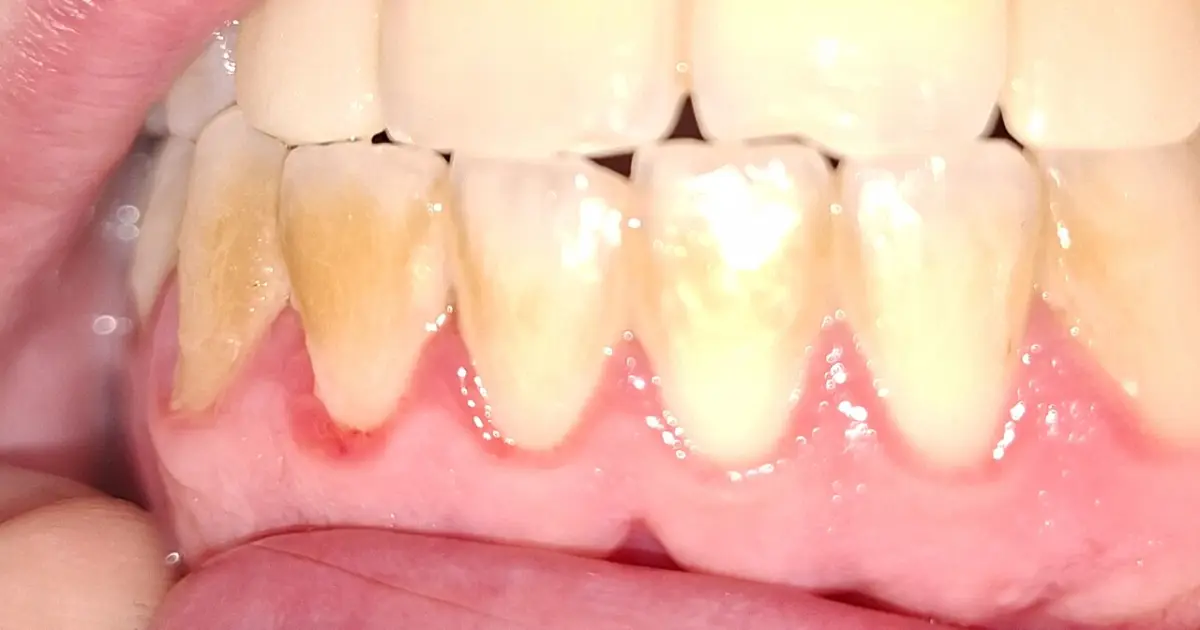
Short answer: gums that bleed when you brush or floss may be an early sign of gum inflammation, which is common and often reversible. Bleeding is not normal and it is not a reason to stop cleaning. If it lasts more than a week or two, or comes with swelling, bad breath or gums pulling back, have a dentist take a look.
Why healthy gums should not bleed
Healthy gum tissue is firm, pale pink and does not bleed with normal brushing and flossing. When plaque sits along the gumline, the gums react by becoming inflamed. Inflamed gums are fragile, so a toothbrush or floss that would not bother healthy tissue makes them bleed.
That early stage is called gingivitis. It is common and, with good cleaning habits and a professional cleaning, it can often be reversed. The same inflammation left alone for a long time may progress to periodontitis, which involves the bone that supports your teeth.
Bleeding is a signal, not a reason to stop. Many people brush more gently or skip the sore spot, which lets plaque build up further. The better move is to keep cleaning gently and have the gums checked.
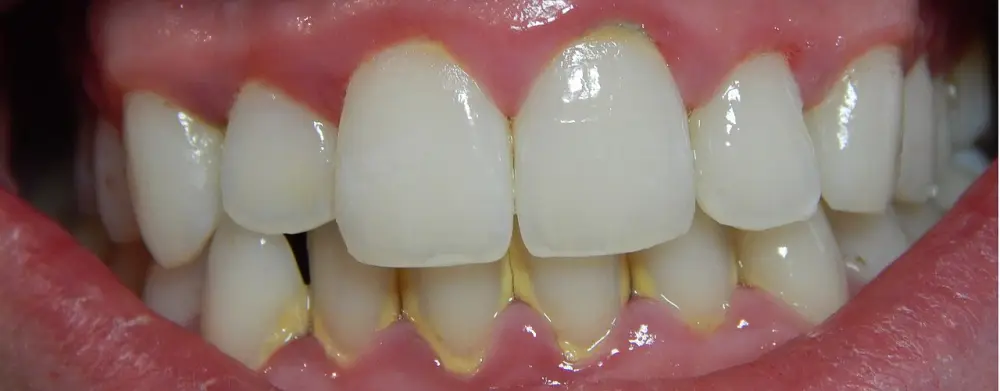
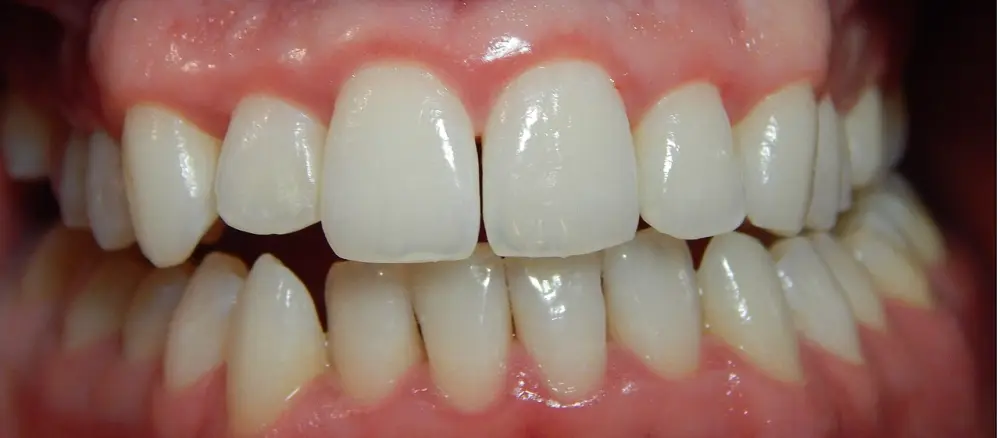
A quick self-check
Look in a mirror in good light and notice, over a few days:
- Bleeding when you brush or floss, or pink in the sink.
- Colour and shape. Gums that look red, dark or puffy rather than pale pink and snug around the teeth.
- Bad breath that does not clear after brushing.
- Gums that look like they are pulling back, so teeth look longer or more sensitive.
- Teeth that feel slightly loose or a change in how your bite fits together.
One or two of these for a day or two is not alarming. Several of them, or bleeding that lasts more than a week or two, is a good reason to book an exam. This is a self-check, not a diagnosis. Only an exam can tell you what is going on.
Diabetes and gum health: why November matters
November is American Diabetes Month. Gum health and diabetes are connected in both directions. For many people with diabetes, gum disease is more common, and active gum inflammation may make blood sugar harder to manage. This is a reason to look after your gums, not a reason for alarm.
If you have diabetes, or are told you are at risk, mention it at your dental visit and let us know about changes in your medicines. If your gums are bleeding and you have not been checked for diabetes in a while, it is reasonable to mention that to your doctor too. We cannot diagnose diabetes, and your doctor should guide any testing.
What helps
- Brush twice a day with a soft brush, angled gently along the gumline.
- Clean between the teeth daily. Floss or interdental brushes reach what the toothbrush cannot.
- Book a professional cleaning and exam. Hardened plaque (tartar) cannot be brushed off.
- Mention medicines and health conditions. Some medicines dry the mouth or affect gums.
For a more careful look at the evening routine, see what happens if you skip brushing at night. On the nutrition side, omega-3s and gum health goes through a recent study and its limits.
Gums bleeding when you brush?
Early gum inflammation is the easiest stage to reverse. A cleaning and exam shows exactly where your gums stand.
Frequently Asked Questions
Is it normal for gums to bleed a little when I brush?
It is common, but it is not a sign of healthy gums. Bleeding usually means the gums are inflamed from plaque along the gumline. If it clears within a few days of gentle, careful cleaning, it may have been minor. If it continues for a week or two, have it checked.
Should I stop flossing if my gums bleed?
Usually no. Gentle, regular cleaning between the teeth is part of what helps inflamed gums settle down. If flossing is painful, or you are not sure of your technique, we can show you at your visit.
Can gum disease be reversed?
The earliest stage, gingivitis, is often reversible with good home care and a professional cleaning. Later stages involve the supporting bone and are managed rather than fully reversed. That is why catching bleeding early matters.
What is the link between diabetes and gum disease?
Research shows a two-way link. People with diabetes may be more prone to gum disease, and active gum inflammation may make blood sugar harder to control. If you have diabetes, regular dental visits are a useful part of your care. Your doctor should guide any testing or treatment for diabetes.
When should I see a dentist about bleeding gums?
Book an exam if bleeding lasts more than a week or two, if your gums are swollen, red or pulling back, if you have persistent bad breath, or if any tooth feels loose. Call sooner if you have pain or swelling.
This article is for general educational purposes and is not a substitute for professional dental or medical advice or diagnosis. If your gums bleed regularly, or you are worried about diabetes, please call our office and speak with your doctor.
Related: Family & Kids Dentistry · Oral Cancer Screening · Skipping Brushing at Night · Book a Consultation